Open 24 hours · 7 days a week86880 60339

Back & Lumbar Support Belts

A back belt (kamar belt) adds gentle compression and a posture reminder during high-strain times — heavy lifting, long driving or a back-pain flare. Here's how lumbar, lumbosacral, contoured, lace-pull and rigid braces differ, how to size them, and how long to wear and how to wash them.

Reviewed by Darishetti Ramya, B PharmacyUpdated
Lumbo sacral back support belt at Scanda Enterprises, Moosapet, Hyderabad

Types of Back Belts

From everyday lumbar support to firm post-injury bracing — including Tynor.

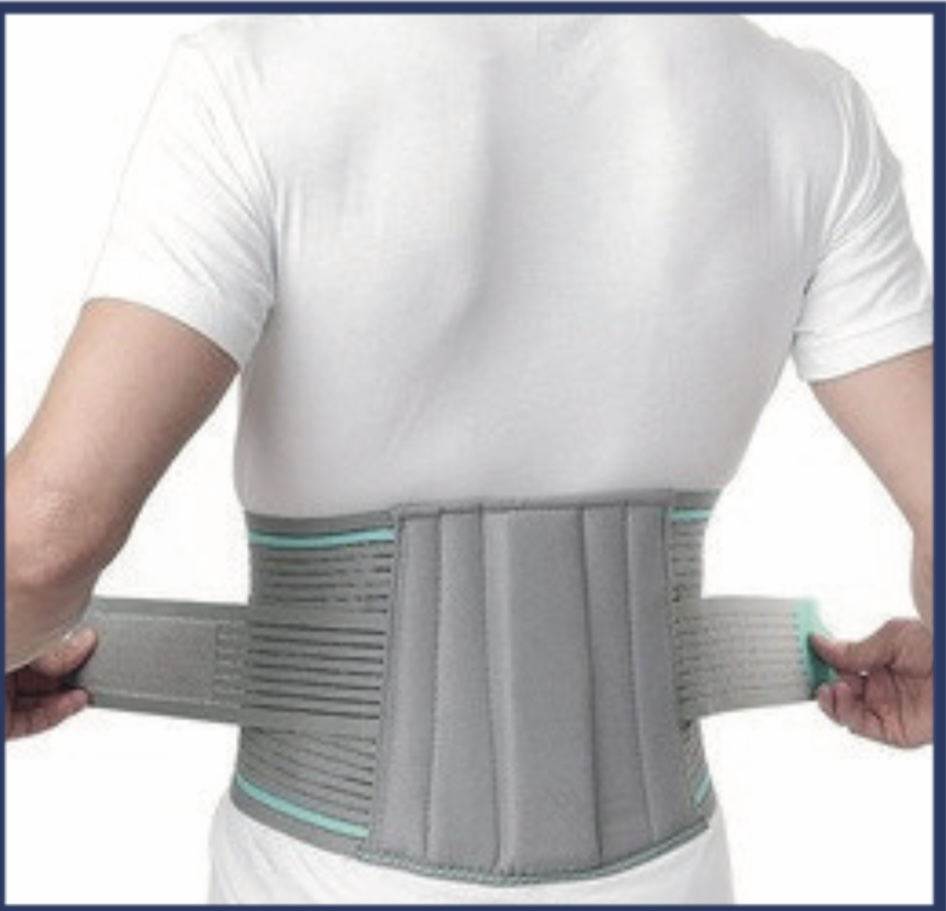
Lumbosacral belt

Lumbosacral (LS) Belt

Everyday support for lower back pain, lifting and long sitting.

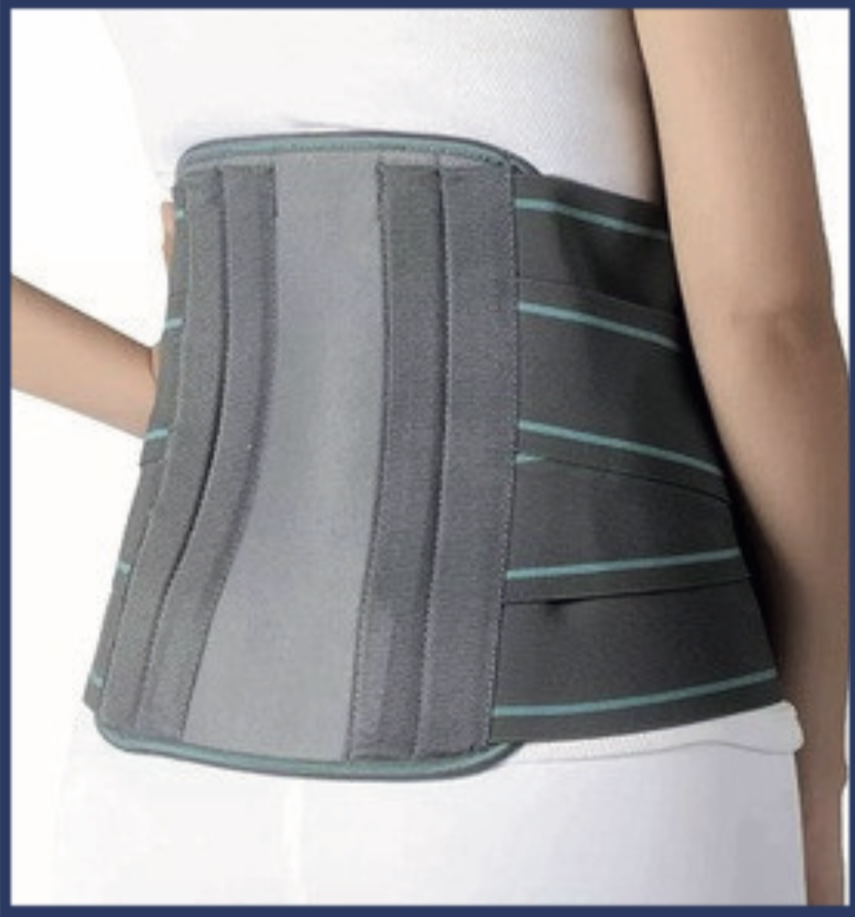
Contoured LS belt

Contoured Belt

Anatomically shaped for a closer, more comfortable fit.

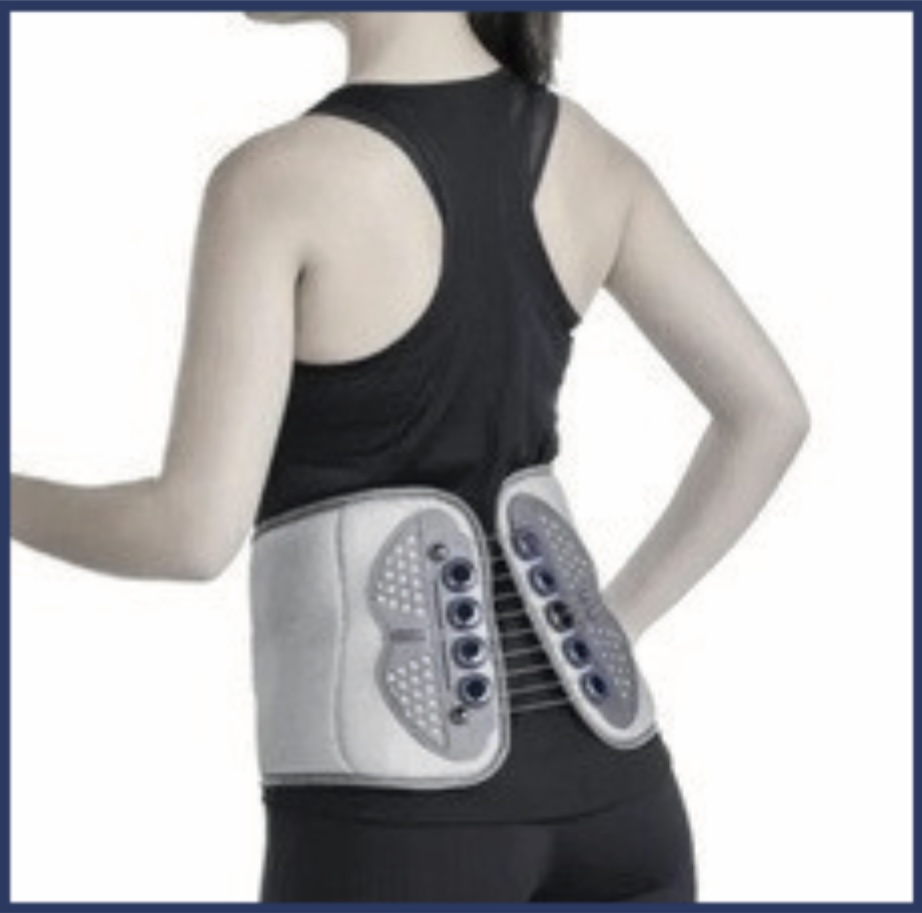
Lace-pull lumbar belt

Lace-pull Belt

Pulley system for easy, adjustable compression.

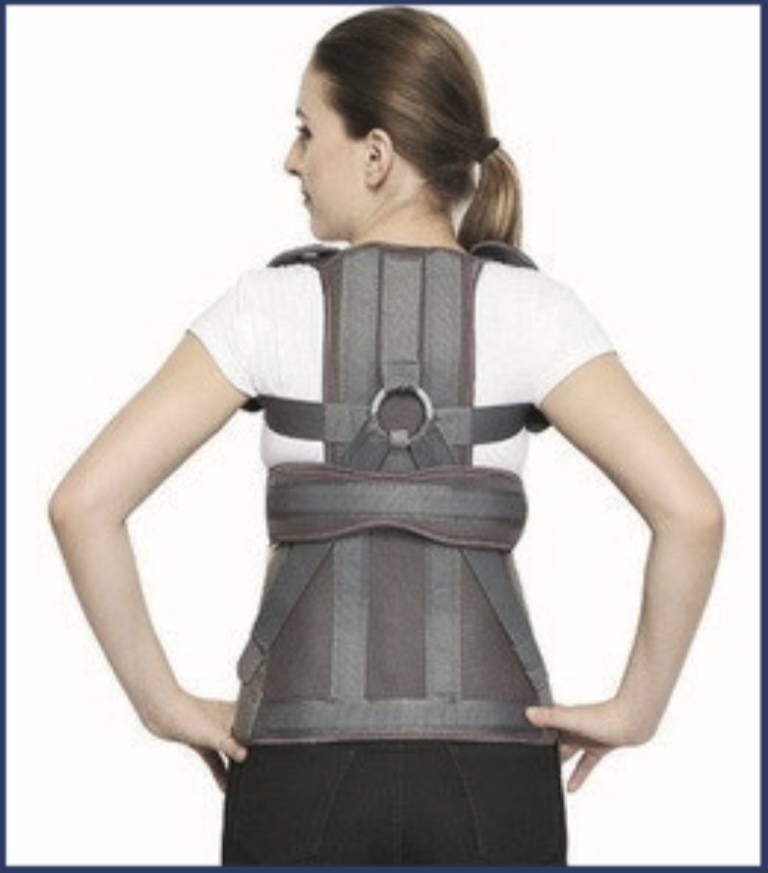
Taylor / dorso-lumbar brace

Taylor / Rigid Brace

Firm dorso-lumbar support after injury, as advised.

Posture slouch? A posture-aid figure-8 strap is also available — ask our pharmacist.

When a Back Belt Helps

How to Choose the Right Size

Back belts are sized by waist/hip circumference. Measure with a soft tape and match the brand chart.

We measure and fit you in-store.

How to Wear It Correctly

  1. Wrap the belt around the lower back with the wider part at the back.
  2. Centre it over the lumbar curve, just above the hips.
  3. Fasten snugly so it supports without restricting breathing.
  4. Wear during the strain (lifting, driving, a flare) — remove at rest.
  5. Don't rely on it all day; keep your core and back muscles active.

Watch: wearing a back belt

More fitting & product videos on the Tynor channel.

Washing & Maintenance

  • Remove rigid stays/panels if they slide out
  • Hand-wash fabric in cold/lukewarm water, mild soap
  • Close the velcro before washing; air-dry in shade
  • Reshape while damp; re-insert stays when dry
  • No hot water, bleach or machine dryer
  • No direct sun or ironing of elastic/velcro
  • Don't store rolled-up damp
  • Replace if elastic stretches out or velcro fails

When to see a doctor

See a doctor for severe or spreading back pain, pain with leg numbness/tingling or weakness, loss of bladder/bowel control, pain after a fall, or pain that isn't improving — these need proper assessment, not just a belt.

Reviewed by Darishetti Ramya, B Pharmacy (Registered Pharmacist), Scanda Enterprises. General awareness only — not a diagnosis.

Back Belt FAQs

Does a back belt really help?+

It adds compression, warmth and a posture reminder during strain — lifting, driving, a flare. It supports while you heal but doesn't cure the cause; pair it with movement and medical advice for ongoing pain.

How long should I wear it daily?+

During the strain, not all day every day. Long continuous use is discouraged — your back muscles need to keep working. Follow your doctor after injury/surgery.

Lumbar vs lumbosacral belt?+

A lumbar belt supports the lower back; a lumbosacral (LS) belt is taller and also supports the sacrum. Contoured and lace-pull versions add adjustable compression; rigid/Taylor braces are firmer, used as advised.

How do I size it?+

By waist circumference at the navel — match the brand chart. Firm without digging in. We fit in-store.

Do you stock Tynor back belts?+

Yes — genuine Tynor lumbosacral, contoured and lace-pull belts and back braces, fitted in Moosapet. Open 24 hours. Call 86880 60339.

Back pain or heavy lifting?

We'll size and fit the right back belt for you. Open 24/7 in Moosapet.

More guides:Cervical collars·Knee caps·All supports & braces