A collar rests the neck during a flare of strain or cervical spondylosis. The key is short, correct use — not relying on it for weeks. Here's how soft and firm collars, cervical pillows and traction differ, how to size them, how long to wear them safely, and how to wash them.

From gentle rest to firm immobilization — including Tynor.

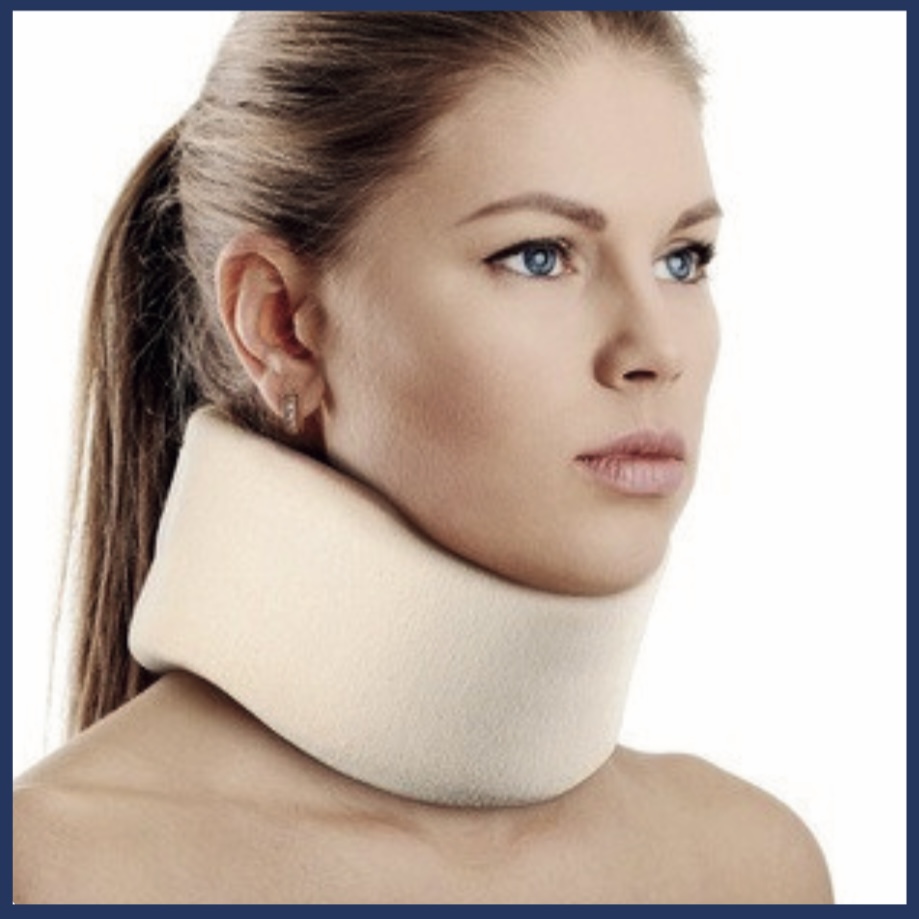
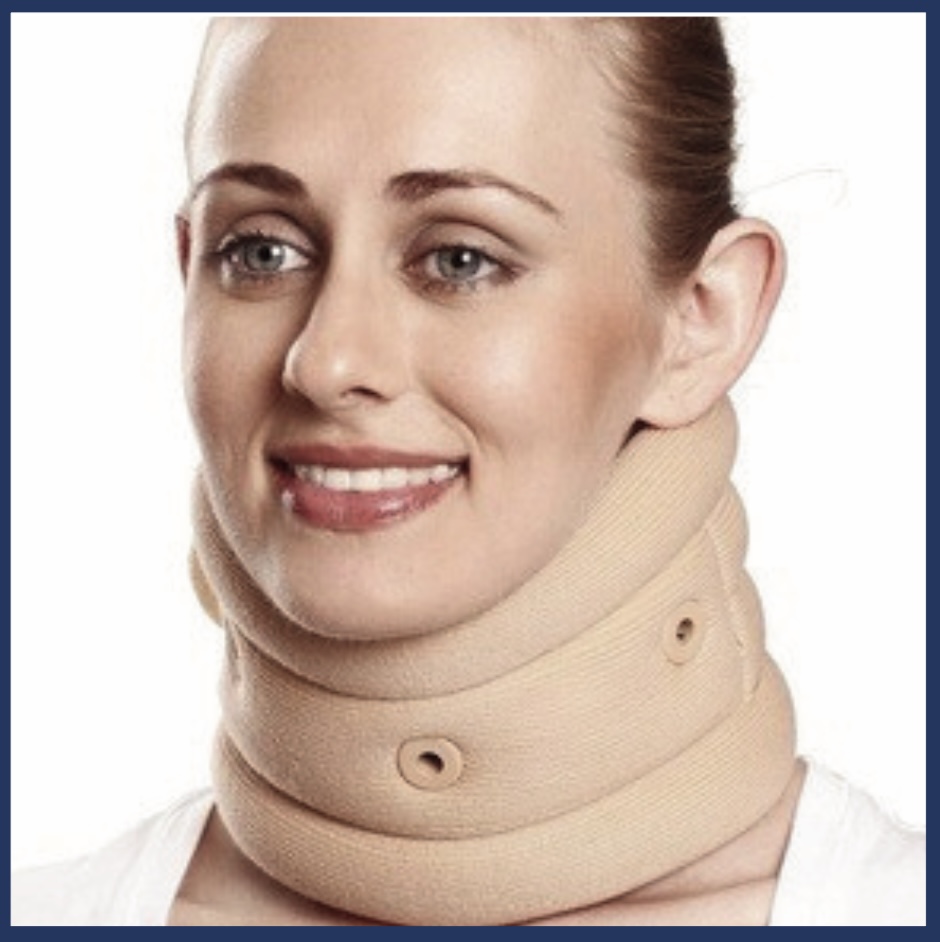
Foam comfort for mild neck strain & spondylosis flares.

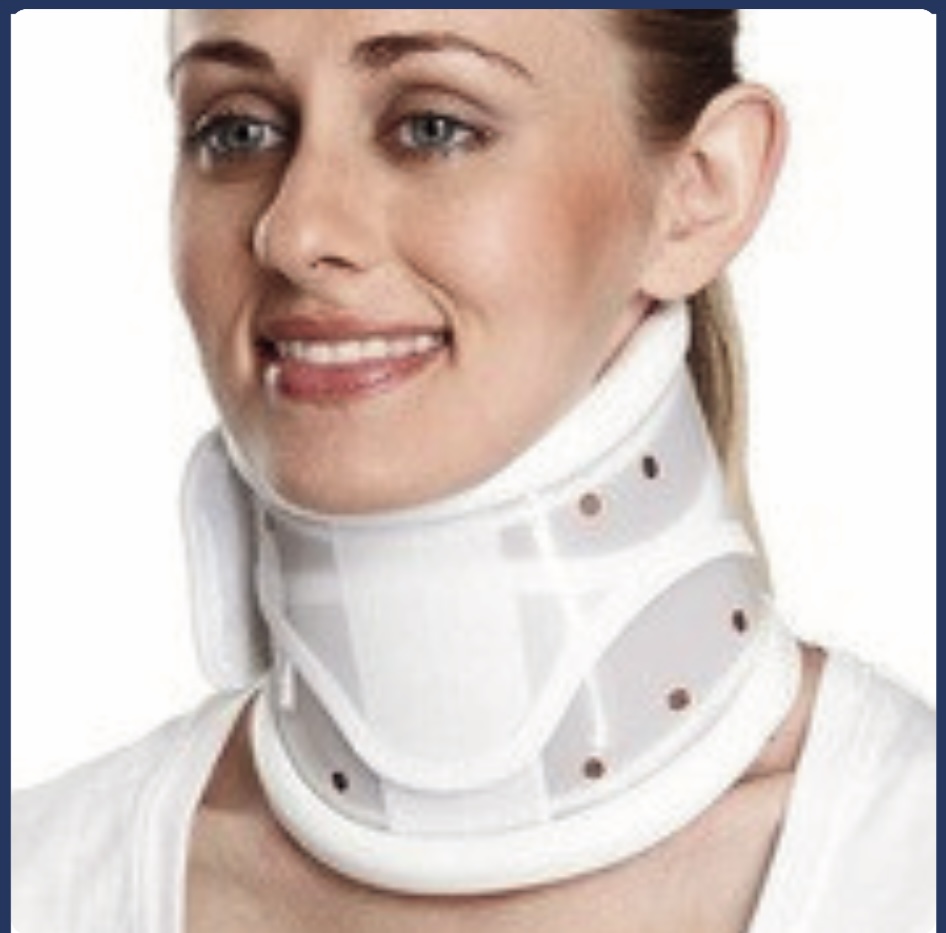
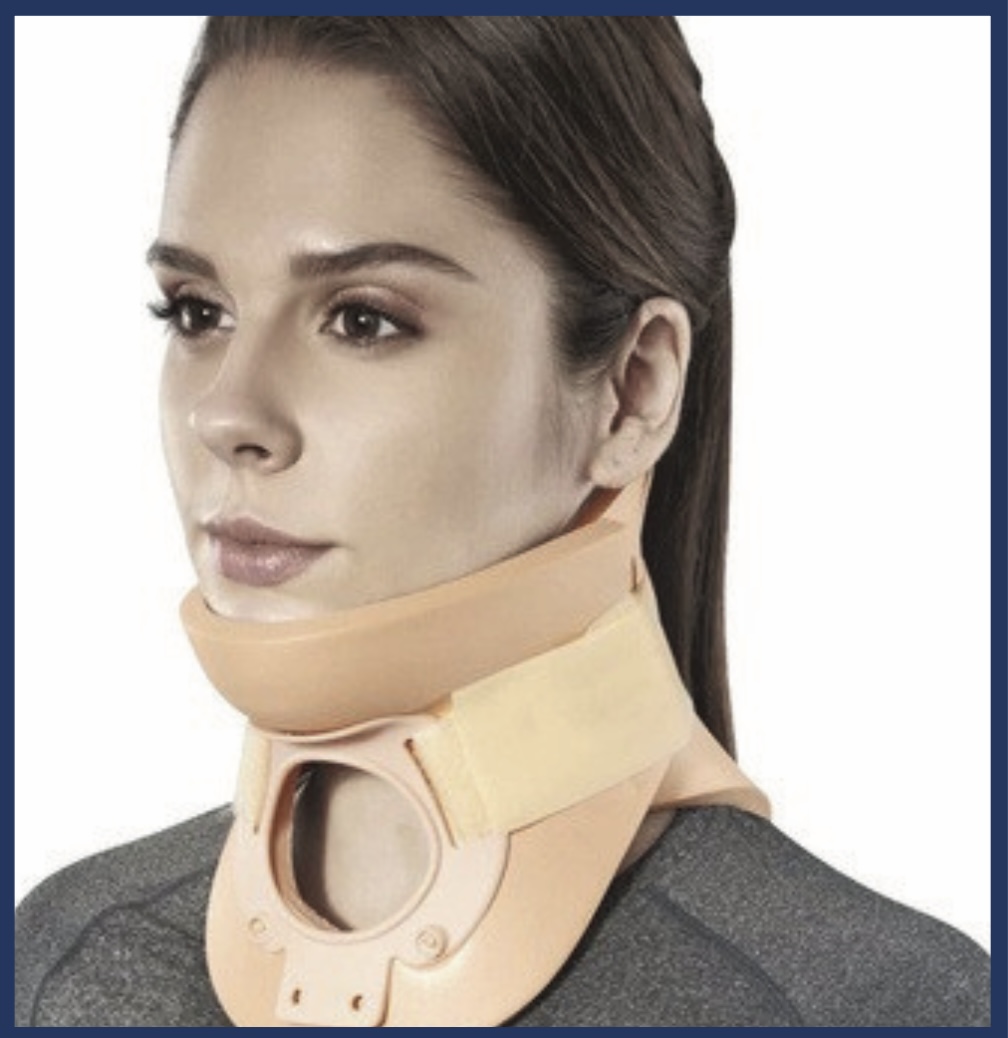
Rigid immobilization after injury, as specifically advised.

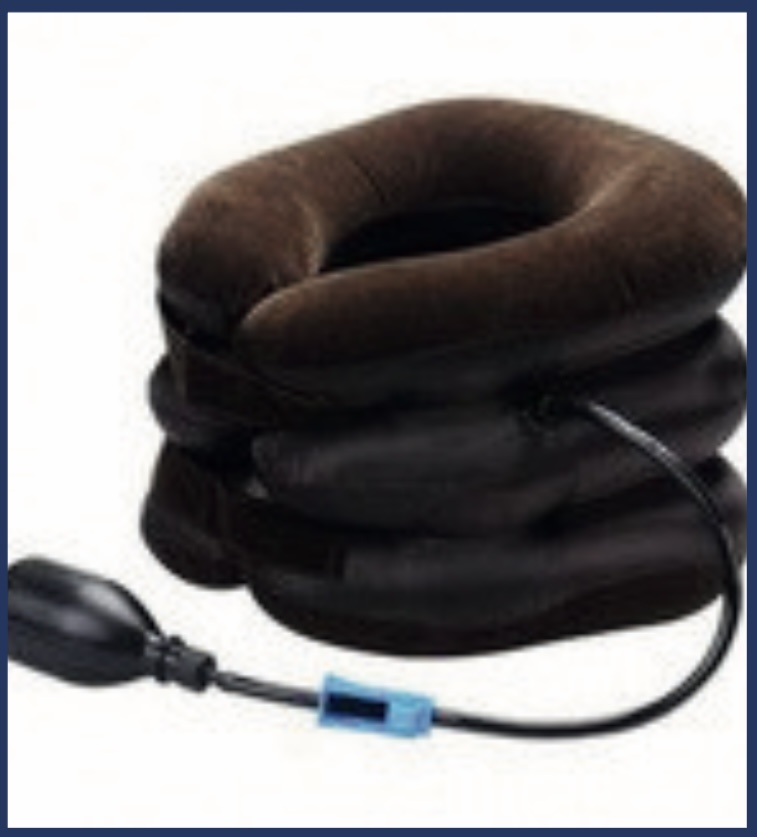
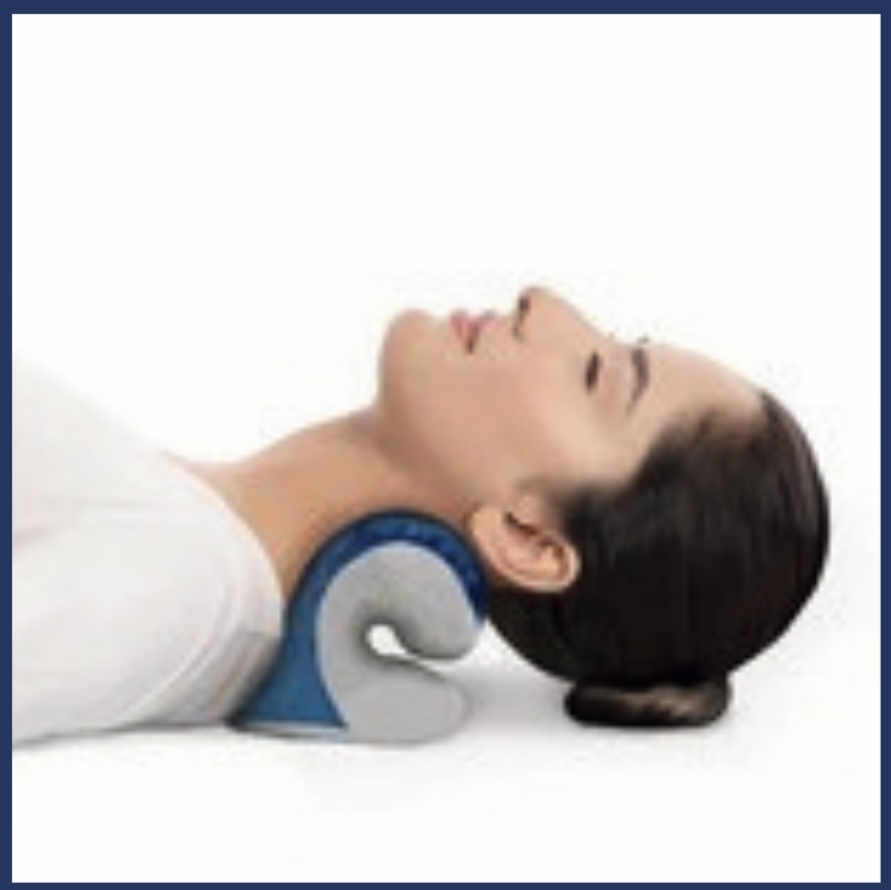
Adjustable air traction for gentle decompression relief.

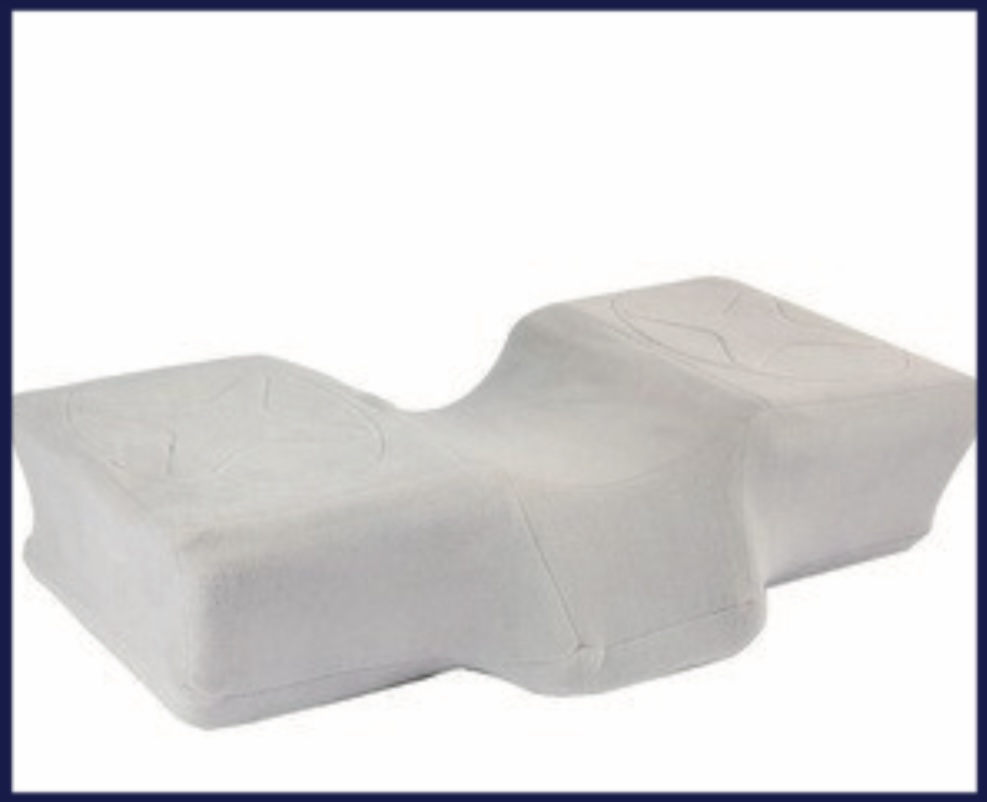
Contoured memory foam to align the neck for better sleep.
Collars are sized by neck circumference and height (shoulder-to-jaw). Match the brand chart so the head stays neutral.
We measure and fit you in-store.
More fitting & product videos on the Tynor channel.
See a doctor for neck pain after a fall or accident, pain with arm numbness/tingling or weakness, severe headache, or pain that isn't improving. Never self-treat a possible neck injury with a collar — get it assessed first.
Reviewed by Darishetti Ramya, B Pharmacy (Registered Pharmacist), Scanda Enterprises. General awareness only — not a diagnosis.
For limited periods, as advised — during a flare, not all day for weeks. Long use can stiffen and weaken neck muscles, so follow your doctor on hours and days.
A soft foam collar gives comfort and gentle rest for mild strain/spondylosis. A Philadelphia (rigid) collar gives firm immobilization after injury or as advised. Soft = comfort; rigid = immobilization.
A soft collar can ease a flare by resting the neck briefly. It's supportive, not curative — combine with prescribed exercises and posture care, used only short-term.
By neck circumference and height (shoulder-to-jaw). The chin should rest comfortably with the head neutral. We measure and fit in-store.
Yes — genuine Tynor soft and firm collars, cervical pillows and traction kits, fitted in Moosapet. Open 24 hours. Call 86880 60339.