Open 24 hours · 7 days a week86880 60339

Knee Braces & Supports

When a knee needs more than compression — for instability, ligament strain, or recovery after surgery — a firmer knee brace adds stability and controlled movement. Here's how hinged braces, ROM braces, immobilizers and functional supports differ, how to size them, and how to wear and care for them.

Reviewed by Darishetti Ramya, B PharmacyUpdated
Hinged knee brace at Scanda Enterprises, Moosapet, Hyderabad

Types of Knee Braces & Supports

From mild strap support to full immobilization — matched to how much stability you need.

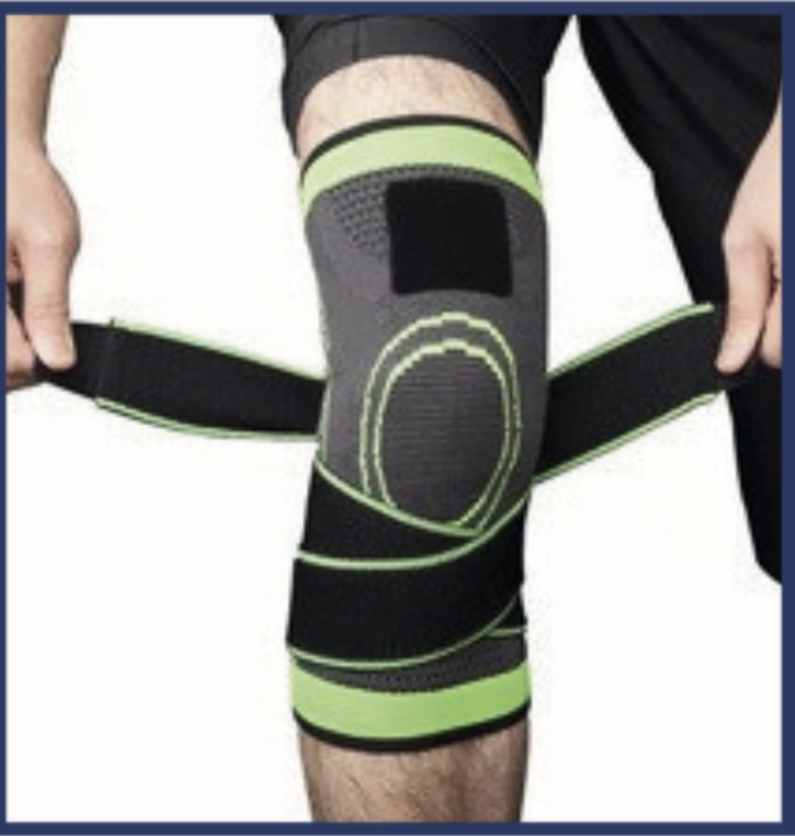
Knee support with strap

Knee Support with Strap

Adjustable straps for customised compression and mild stability.

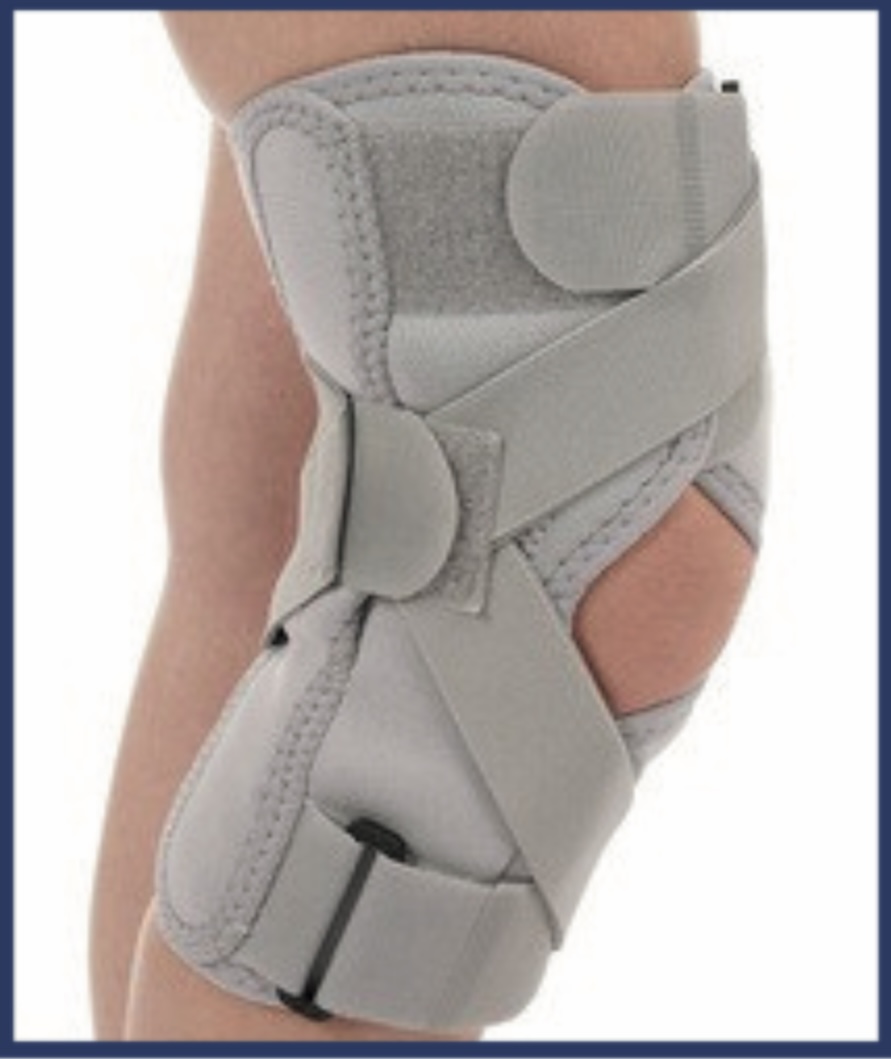
Functional knee support

Functional Support

Rigid support for ligament stability during activity.

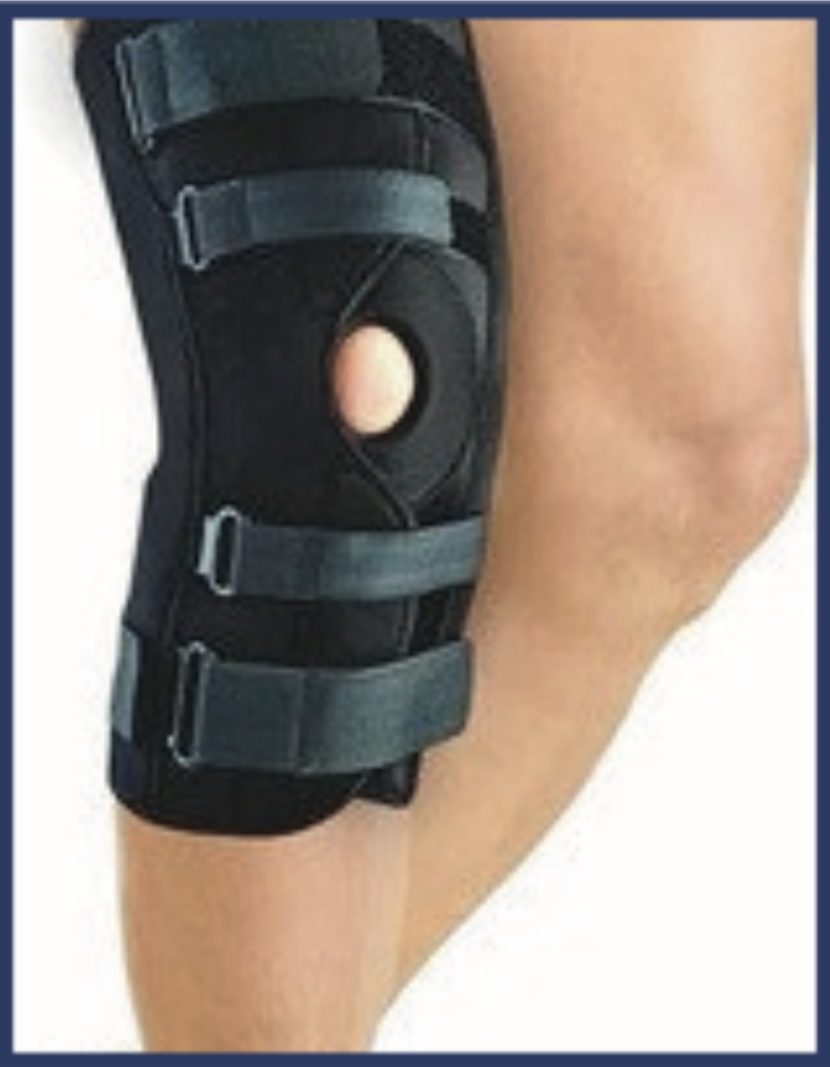
Hinged knee brace open patella

Hinged Knee Brace

Side hinges allow bending while stopping side-to-side movement.

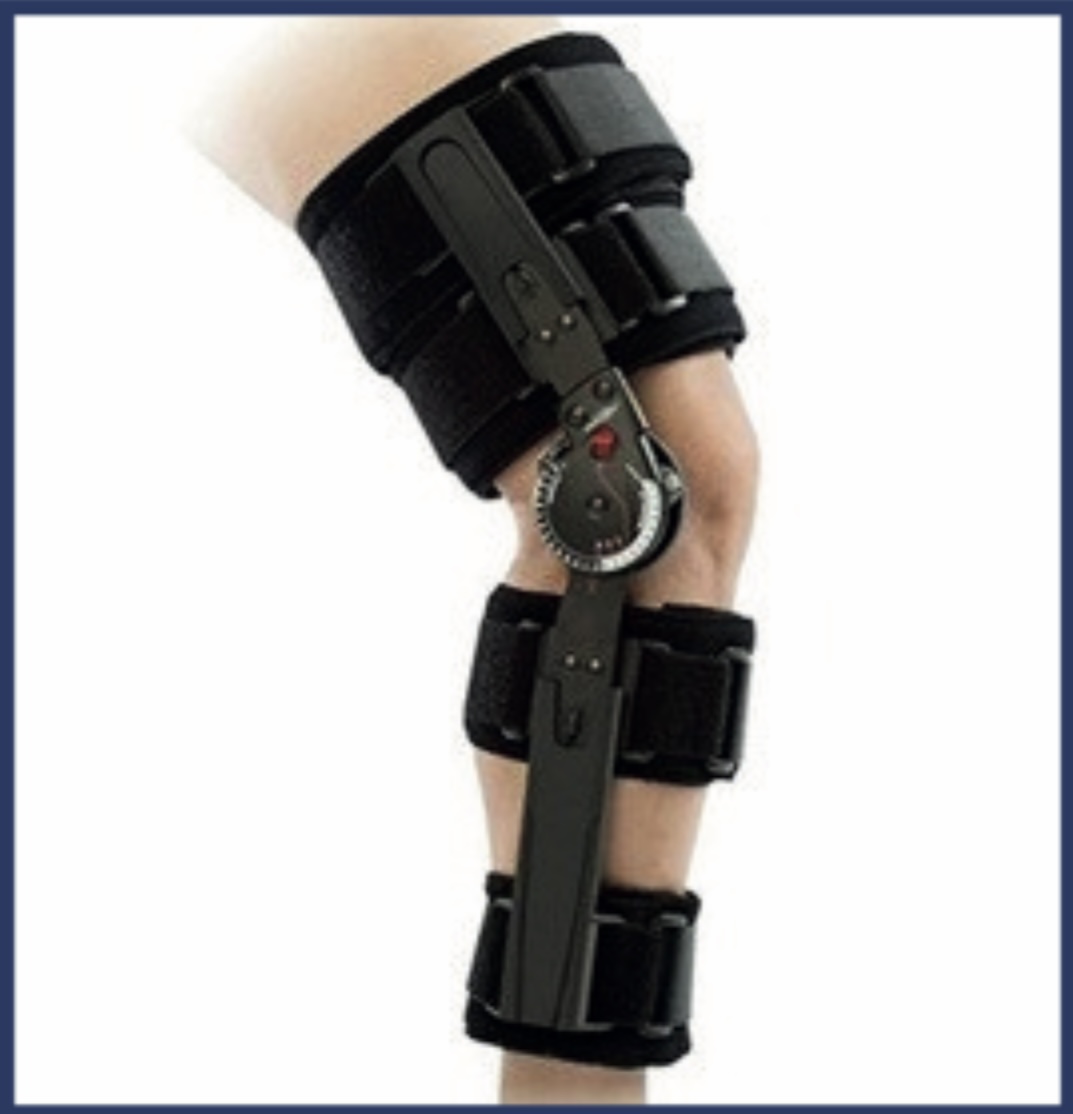
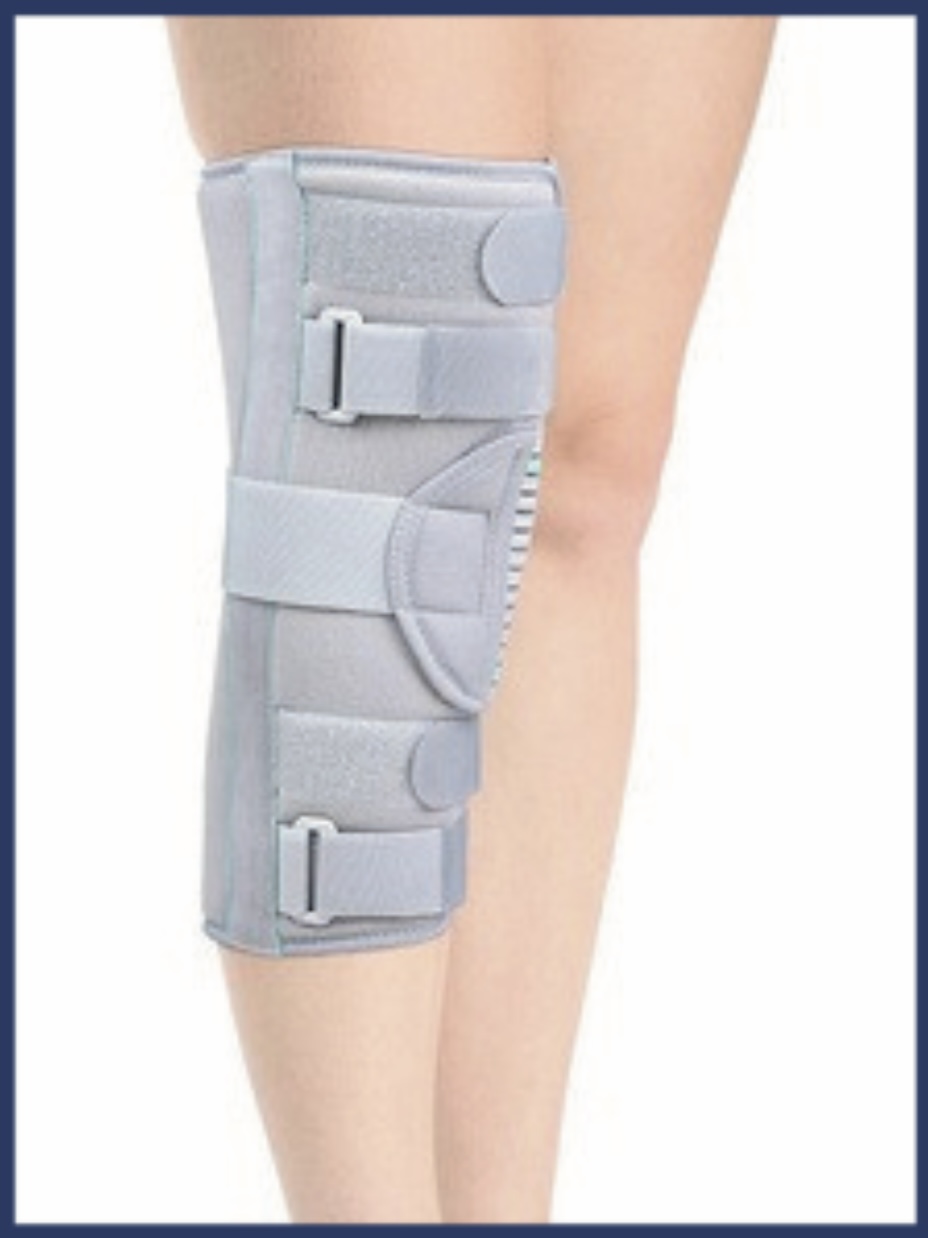
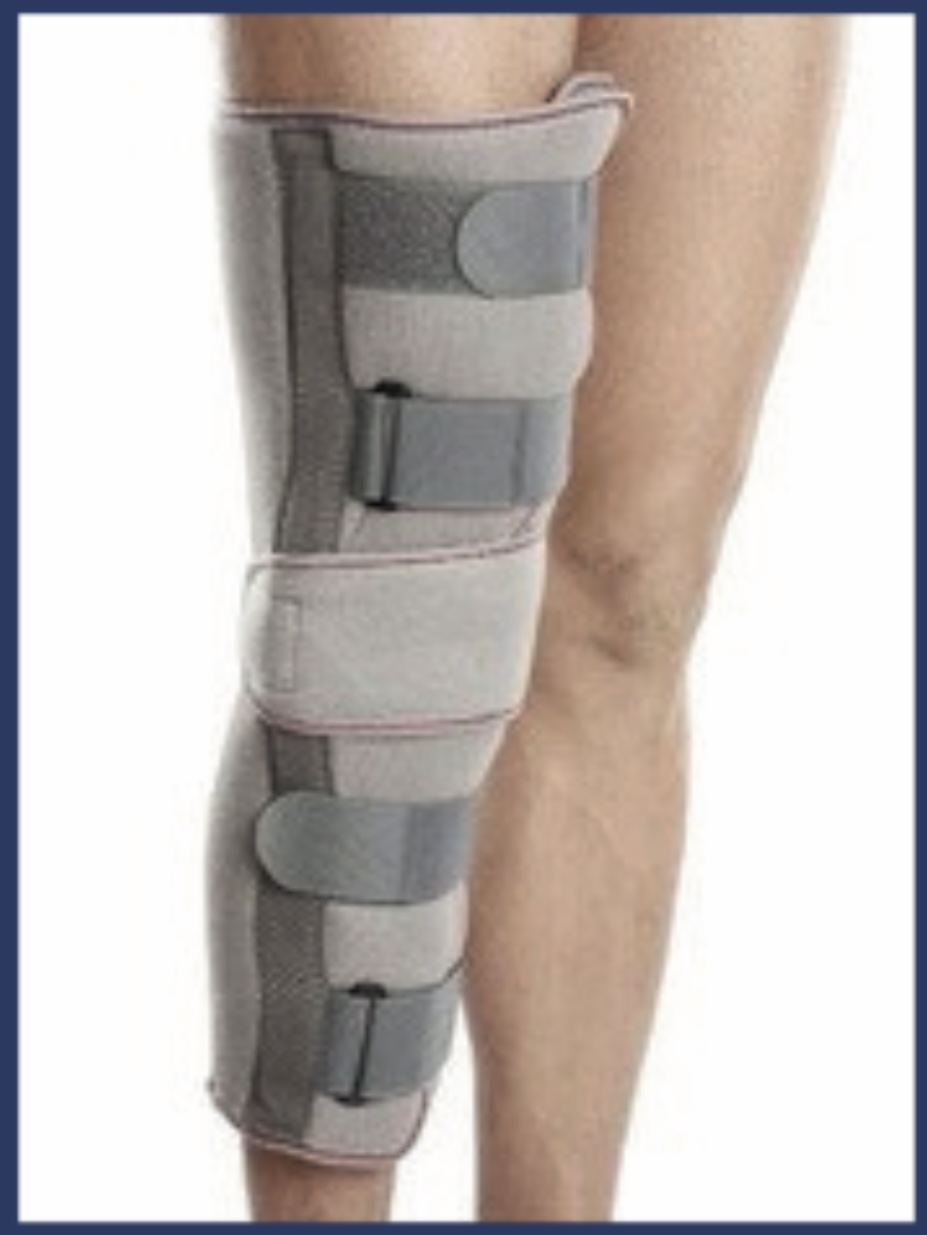
ROM knee brace and immobilizer

ROM Brace / Immobilizer

Controlled range or full immobilization (14"/22") for post-op recovery.

Just everyday pain and swelling? A simpler knee cap may be all you need.

When You Need a Brace, Not a Cap

How to Choose the Right Size

Braces are sized by knee/thigh circumference and sometimes leg length (for immobilizers). Match the brand chart, not your clothing size.

We measure and fit you in-store.

How to Wear It Correctly

  1. Sit with the knee slightly bent; slide the brace on centred over the kneecap.
  2. Fasten straps from the centre outward, evenly — not over-tight.
  3. For hinged braces, line up the hinges with the natural knee joint line.
  4. Check you can bend comfortably and the brace doesn't slide when you walk.
  5. Follow your doctor's instructions on hinge/ROM settings and wear time.

Watch: fitting a knee brace

More fitting & product videos on the Tynor channel.

Washing & Maintenance

  • Remove metal hinges/stays before washing if possible
  • Hand-wash fabric parts in cold/lukewarm water, mild soap
  • Air-dry in shade; reshape while damp
  • Wipe hinges clean; check screws/straps stay secure
  • No hot water, bleach or machine dryer
  • Don't tumble-dry or iron the elastic/velcro
  • Don't store damp or in direct sun
  • Replace if velcro stops gripping or hinges loosen

When to see a doctor

A brace supports recovery but isn't a diagnosis. See a doctor for severe pain, a locking or buckling knee, inability to bear weight, significant swelling, or a suspected ligament tear — and always follow medical advice for post-surgery bracing.

Reviewed by Darishetti Ramya, B Pharmacy (Registered Pharmacist), Scanda Enterprises. General awareness only — not a medical diagnosis.

Knee Brace FAQs

Do I need a knee cap or a knee brace?+

Knee cap = everyday pain, swelling, mild support. Knee brace (straps/hinges) = instability, ligament injury, or post-surgery. If your knee "gives way", you need a brace.

What is a hinged knee brace used for?+

Side hinges allow natural bending while blocking side-to-side movement — used for ligament strain, instability and return to activity.

ROM brace vs knee immobilizer?+

A ROM brace lets a doctor set how far the knee may bend during recovery. An immobilizer (14"/22") keeps the knee straight after injury or surgery. Use exactly as advised.

How long should I wear it daily?+

During activity, walking or recovery as advised — not always all day. After surgery, follow your doctor. Keep up prescribed exercises so muscles stay strong.

Do you stock Tynor knee braces?+

Yes — genuine Tynor hinged braces, ROM braces, immobilizers and functional supports, fitted in Moosapet. Open 24 hours. Call 86880 60339.

Need the right knee brace?

We'll match the brace to your injury and fit it correctly. Open 24/7 in Moosapet.

More guides:Knee caps·Ankle binders·All supports & braces